Dye sublimation printing produces some of the most vibrant, durable, and detailed custom graphics available in the textile industry. But here’s the thing most people don’t tell you upfront: the fabric you choose makes or breaks the result. Use the wrong material and you get dull colors, uneven coverage, and prints that wash out after a few cycles. Use the right one and you get sharp, full-color designs that look professional, last for years, and can be produced efficiently at scale.
This guide covers everything you need to know about choosing the right fabric for dye sublimation printing, from fiber content and construction to ready-to-print blanks.
How Dye Sublimation Printing Actually Works
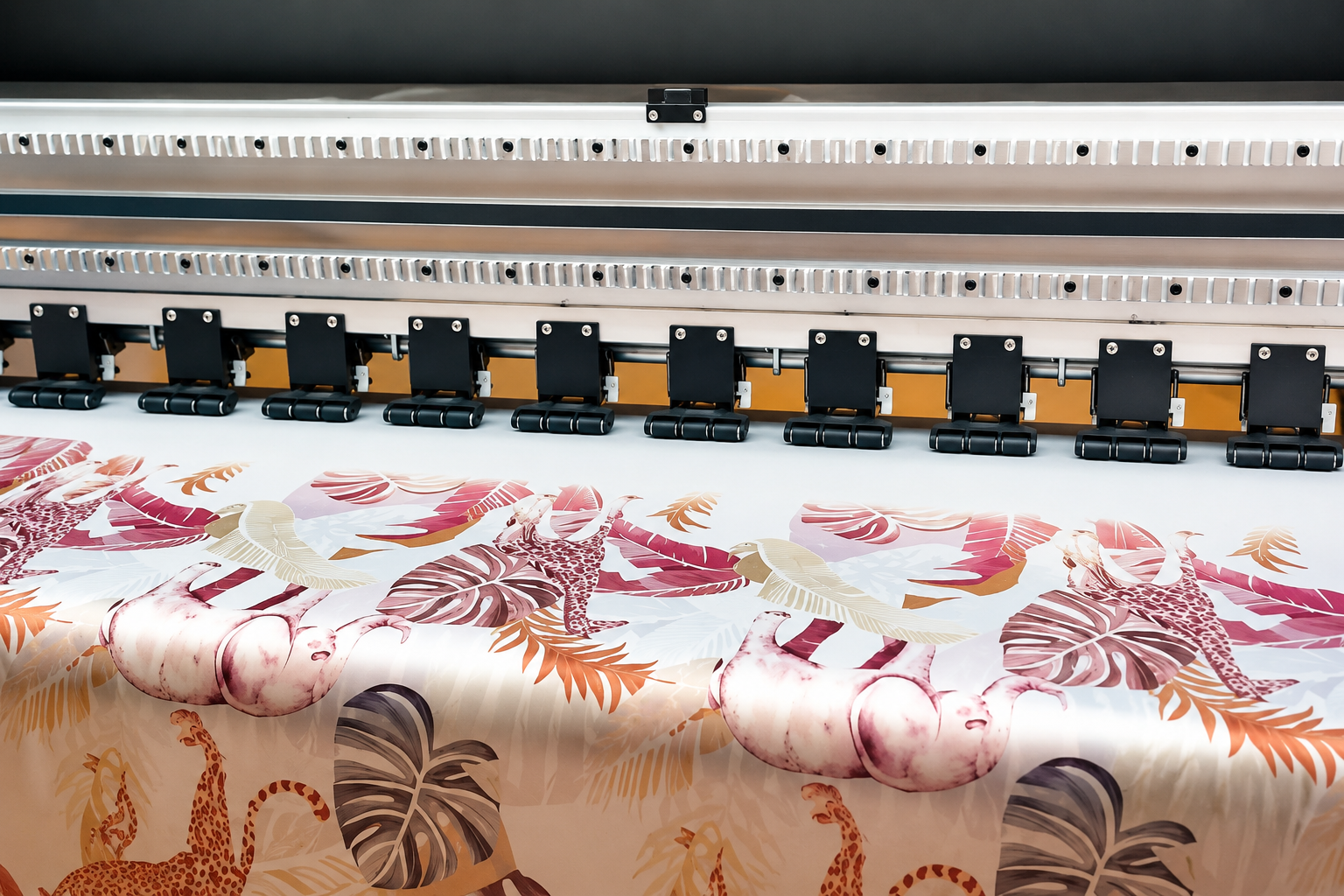
Before diving into fabric selection, it helps to understand the process itself. Dye sublimation uses heat and pressure to convert specially formulated ink from a solid state directly into a gas, bypassing the liquid phase entirely. That gas bonds chemically with polymer fibers in the fabric, becoming part of the material itself rather than sitting on top of it like screen print or direct-to-garment ink. The result: a print that won’t crack, peel, or fade because it’s literally embedded in the fiber. This bonding process is what makes fabric selection so critical. The dye needs polyester fibers to bond to, and the higher the polyester content, the more vibrant and color-accurate the result.
Polyester Content and Print Quality
For dye sublimation, polyester fiber is what allows the ink to bond with the fabric. The higher the polyester content, the more vivid and color-accurate the result. Pure polyester fabrics deliver maximum vibrancy and sharpness, while blended compositions offer other advantages like a softer hand feel or added stretch, depending on the end use.
The key is understanding the fabric specification before committing to a production run, so the print settings can be calibrated correctly and the result matches expectations. That’s why we always recommend requesting samples and running a test print before going into full production.
Choosing the Right Printing Method for Your Fabric
Dye sublimation is one of several printing technologies used in the textile industry, and each one is designed to work with specific fabric types. Understanding the differences helps you make the right choice for your product.
Dye Sublimation Printing
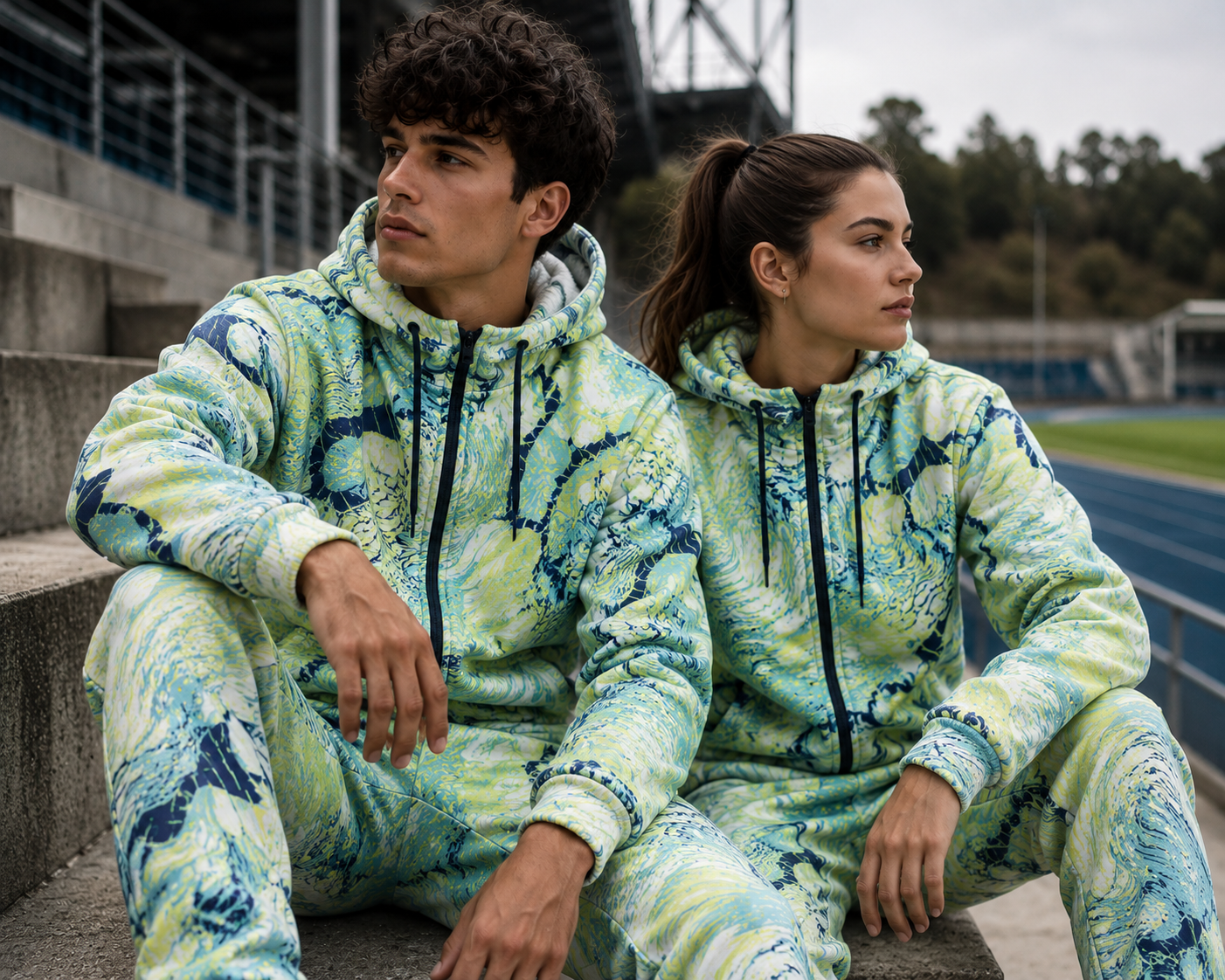
Best suited for polyester-rich fabrics, dye sublimation produces full-color, photo-quality graphics with a soft hand feel and outstanding wash resistance. The dye bonds chemically with the fiber, making it ideal for performance apparel, jerseys, promotional blanks, and anywhere long-lasting, vibrant color is the priority.
Pigment Printing
Pigment printing is a versatile method that works beautifully on natural fibers like cotton and linen, as well as on blended fabrics. The pigment is applied to the surface of the fabric and fixed with heat, resulting in a slightly textured, matte finish with a natural look and feel. It’s a great choice for lifestyle apparel, home textiles, and fashion fabrics where a softer aesthetic is desired. Greentex carries a full range of fabrics optimized for pigment printing.
Reactive Printing
Reactive printing uses dyes that form a chemical bond with cellulose fibers, making it the standard method for cotton fabrics that require bright, saturated color and excellent wash fastness. The result is a soft, vivid print that feels like part of the fabric. This method is widely used for fashion, bedding, and high-quality cotton apparel. We supply reactive-ready cotton fabrics for brands that need consistent, high-performance results on natural fibers.
Common Fabric Constructions Used in Sublimation
Beyond fiber content, the construction of the fabric affects how sublimation ink absorbs and how the finished product looks and feels.
Jersey Mesh
Open-knit mesh fabrics are the workhorse of sublimation sportswear. They offer excellent breathability, lightweight feel, and outstanding ink absorption. Ideal for jerseys, uniforms, and performance apparel.
Microfiber
Tightly woven polyester microfiber produces exceptionally sharp print definition. The fine fiber structure allows for high-resolution graphics and a smooth surface finish. Often used for rally towels, beach towels, and accessories.
Interlock and Double Knit
Smooth-face fabrics like interlock provide a flat printing surface that captures fine detail well. Good for lifestyle apparel and athleisure where a clean, polished finish is important.
Why Blanks Are the Smart Choice for Sublimation
Pre-cut, pre-sewn blanks are fabric products that are ready to be printed on without additional cutting or construction. They are the most efficient format for sublimation printing businesses and promotional product companies.
- No fabric waste: you’re printing on a finished product, not cutting from raw yardage.
- Consistent sizing: blanks are cut and sewn to standardized dimensions.
- Faster turnaround: skip the construction step and go straight to printing.
- Lower minimums: ideal for short-run custom orders.
Popular Sublimation Blanks at Greentex
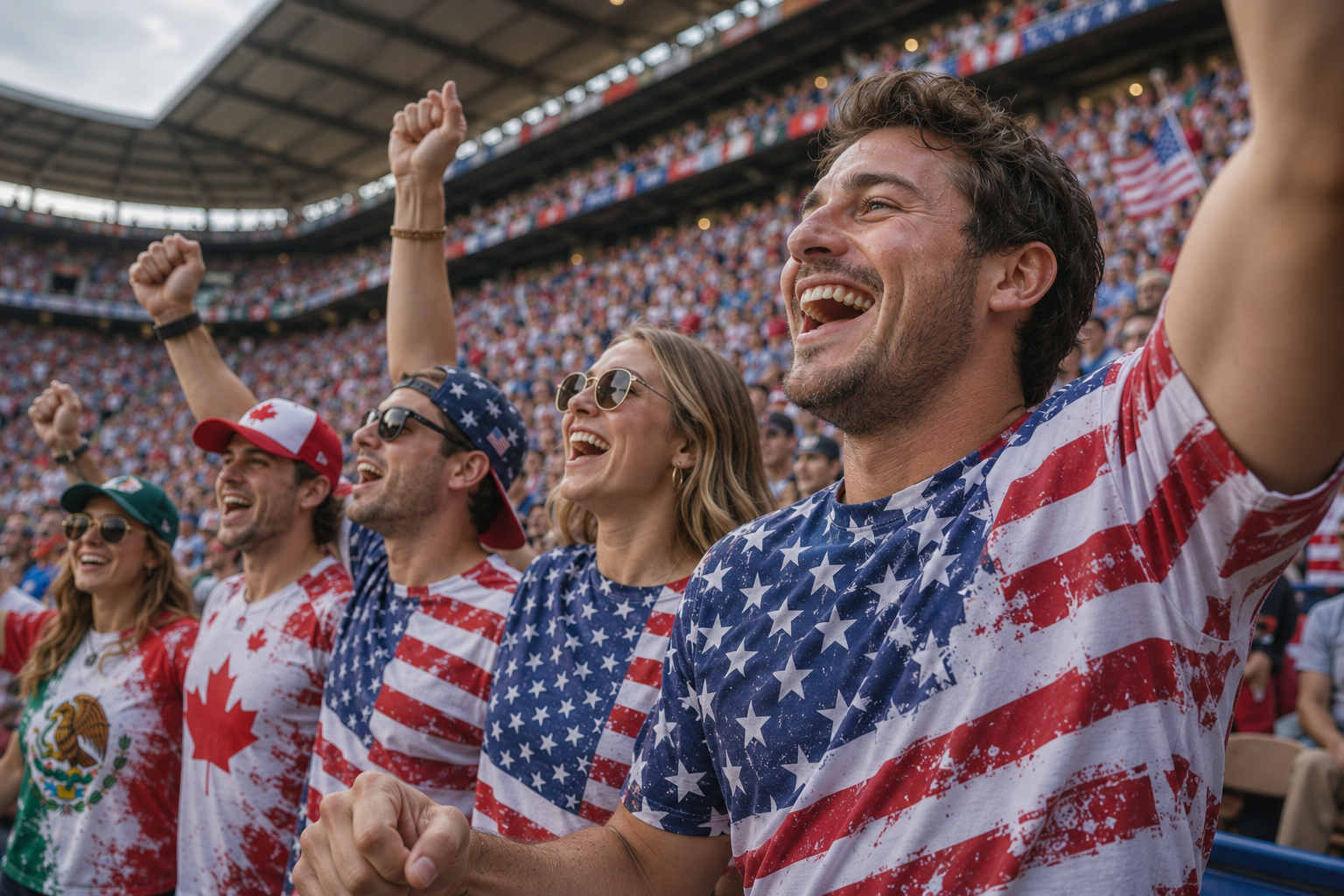
- Rally Towel: 100% polyester, lightweight, and ideal for sports events, promotions, and branded merchandise. A staple for teams, brands, and event organizers.
- Beach Towel: Front in 100% polyester for vibrant sublimation, back in 100% cotton for softness. A premium blank for resort brands, retail, and promotional use.
- Travel Yoga Towel: Designed for fitness studios, wellness brands, and corporate gifting. Non-slip surface, full sublimation coverage.
All blanks are white, the optimal base for sublimation printing, since colors appear truest and most vibrant on a white polyester ground.
Common Mistakes When Choosing Fabric for Sublimation
- Not doing a test print. Even with the right fabric, calibration matters. Always run a test print at your production settings before committing to a full run.
- Ignoring fabric texture. Rough or uneven surfaces create uneven ink absorption, leading to blotchy prints. Always use smooth, consistent-weight polyester fabric.
- Confusing sublimation with heat transfer vinyl (HTV). HTV applies a vinyl layer on top of the fabric and doesn’t produce the same soft, full-coverage results as sublimation. They are different processes with different requirements.
- Ordering without confirming fiber content. Always verify the polyester percentage and fabric specification before placing a production order.
Greentex Fabrics and Blanks for Sublimation Printing
At Greentex, we supply high-performance polyester fabrics and ready-to-print blanks specifically designed for the sublimation printing market. Our products are used by sportswear brands, custom merchandise companies, promotional product distributors, and print-on-demand businesses across the world. Whether you need roll-form fabric for cut-and-sew production or finished blanks for your print shop, we can supply consistent, certified product at the volumes your business requires.