


The textile industry is one of the largest polluters in the world, but it doesn’t have to be. Recycled polyester fabric, also known as RPET, is changing how brands manufacture clothing, sportswear, and home textiles without compromising on performance. Whether you’re a designer sourcing materials for a new collection, a brand building sustainable product lines, or a manufacturer looking for certified eco-friendly fabrics, understanding RPET is no longer optional, it’s a competitive advantage. In this guide, we break down exactly what recycled polyester is, how it’s made, what certifications to look for, and why it’s quickly becoming the go-to choice for performance and fashion brands worldwide.
What Is Recycled Polyester (RPET)?
Recycled polyester, is a synthetic fiber made by breaking down and reprocessing post-consumer plastic waste, most commonly PET plastic bottles, into usable textile fiber. The result is a fabric that performs nearly identically to virgin polyester but with a significantly lower environmental footprint. RPET can be used in a wide range of products: activewear, jerseys, uniforms, home textiles, blanks for digital printing, and more.
How Is RPET Fabric Made?
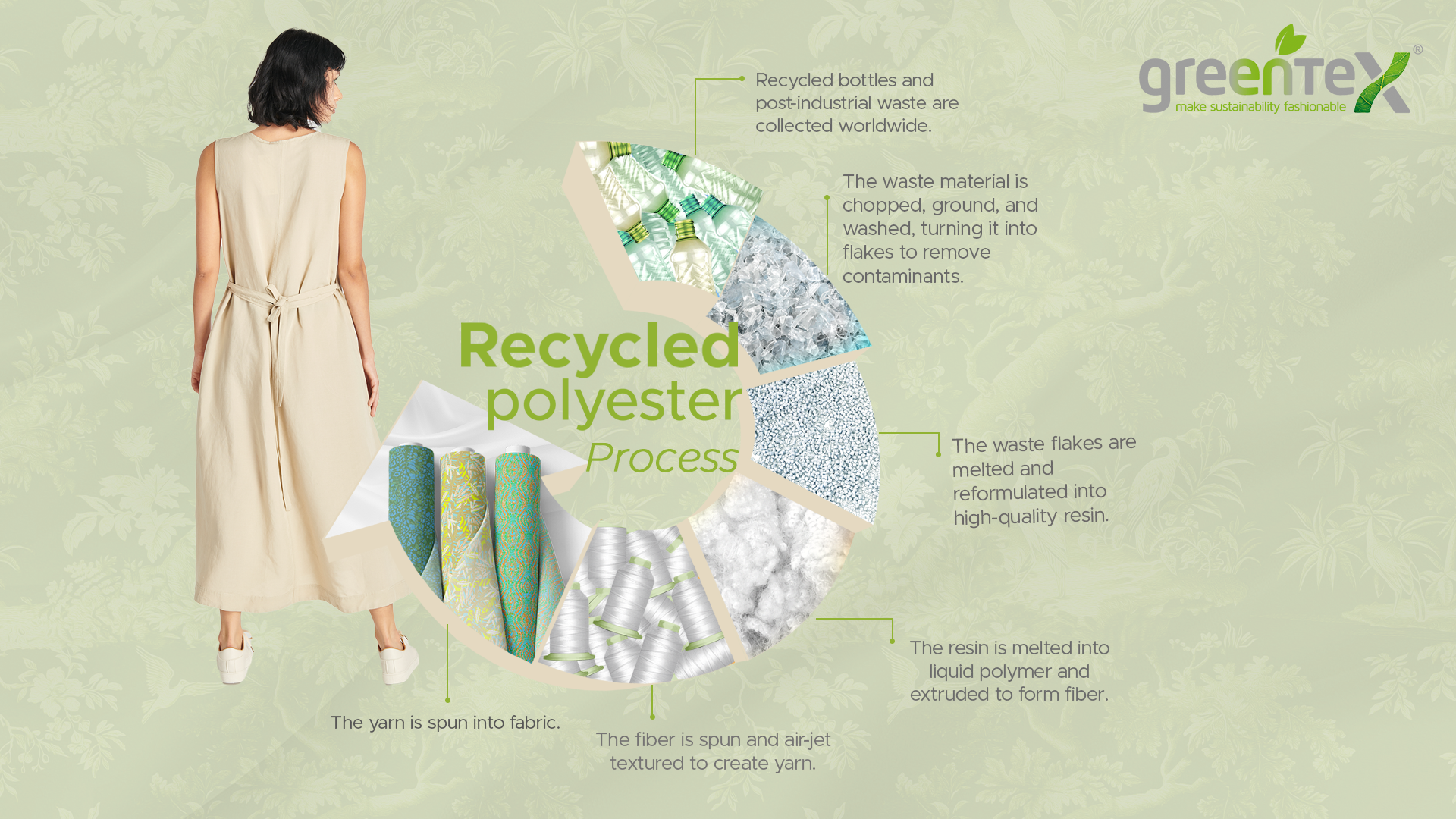
The manufacturing process for recycled polyester involves several key steps:
- Collection: Used PET plastic bottles and other post-consumer plastics are collected and sorted.
- Cleaning and shredding: The plastics are cleaned, crushed, and shredded into small flakes.
- Melting and extrusion: The flakes are melted down and extruded through spinnerets to form polyester yarn.
- Weaving or knitting: The yarn is then woven or knit into fabric using standard textile machinery.
The finished fabric looks, feels, and performs virtually the same as conventional polyester, but it diverts plastic from landfills and oceans in the process.
RPET vs. Virgin Polyester: What’s the Difference?
From a performance standpoint, RPET and virgin polyester are nearly identical. Both offer:
- High durability and resistance to stretching
- Moisture-wicking properties
- Excellent compatibility with dye sublimation printing
- Lightweight feel and easy-care maintenance
The real differences show up in the environmental data. Producing RPET fabric generates significantly fewer carbon emissions than virgin polyester and uses considerably less water and energy. By choosing RPET, brands can reduce their environmental impact without sacrificing quality or increasing lead times. That’s a compelling argument for any brand navigating consumer demand for sustainable products.
Why Sustainable Brands Are Switching to RPET
The shift toward recycled polyester isn’t just driven by environmental responsibility
1. Consumer Demand for Sustainable Products Is Growing
Today’s buyers, particularly in the U.S. and European markets, actively seek out brands with documented sustainability practices. Using RPET allows brands to make concrete, verifiable claims about their environmental impact.
2. Certifications Build Trust With Buyers
RPET fabrics can be certified under internationally recognized standards:
- GRS (Global Recycled Standard): Verifies the recycled content and chain of custody of a product.
- OEKO-TEX Standard 100: Certifies that the fabric has been tested for harmful substances.
When sourcing RPET fabric, look for suppliers who can provide documentation for these certifications. At Greentex, our recycled polyester line is sourced to meet the highest environmental and ethical standards.
3. Performance Doesn’t Have to Be Sacrificed
One of the biggest misconceptions about sustainable fabrics is that they underperform. RPET shatters that myth. It’s used widely in performance sportswear, sublimation printing blanks, and technical uniforms, applications that demand high durability, color retention, and wash resistance.
4. It Opens Doors to New Markets
More and more retailers, sporting goods brands, and corporate clients now include sustainability requirements in their supplier criteria. Offering RPET-based products can unlock those accounts.
Best Applications for Recycled Polyester Fabric
Sportswear and Performance Apparel
RPET is an ideal choice for jerseys, training gear, and athletic uniforms. Its moisture management, stretch recovery (especially when blended with spandex), and durability make it a natural fit for high-performance applications.
Dye Sublimation Printing
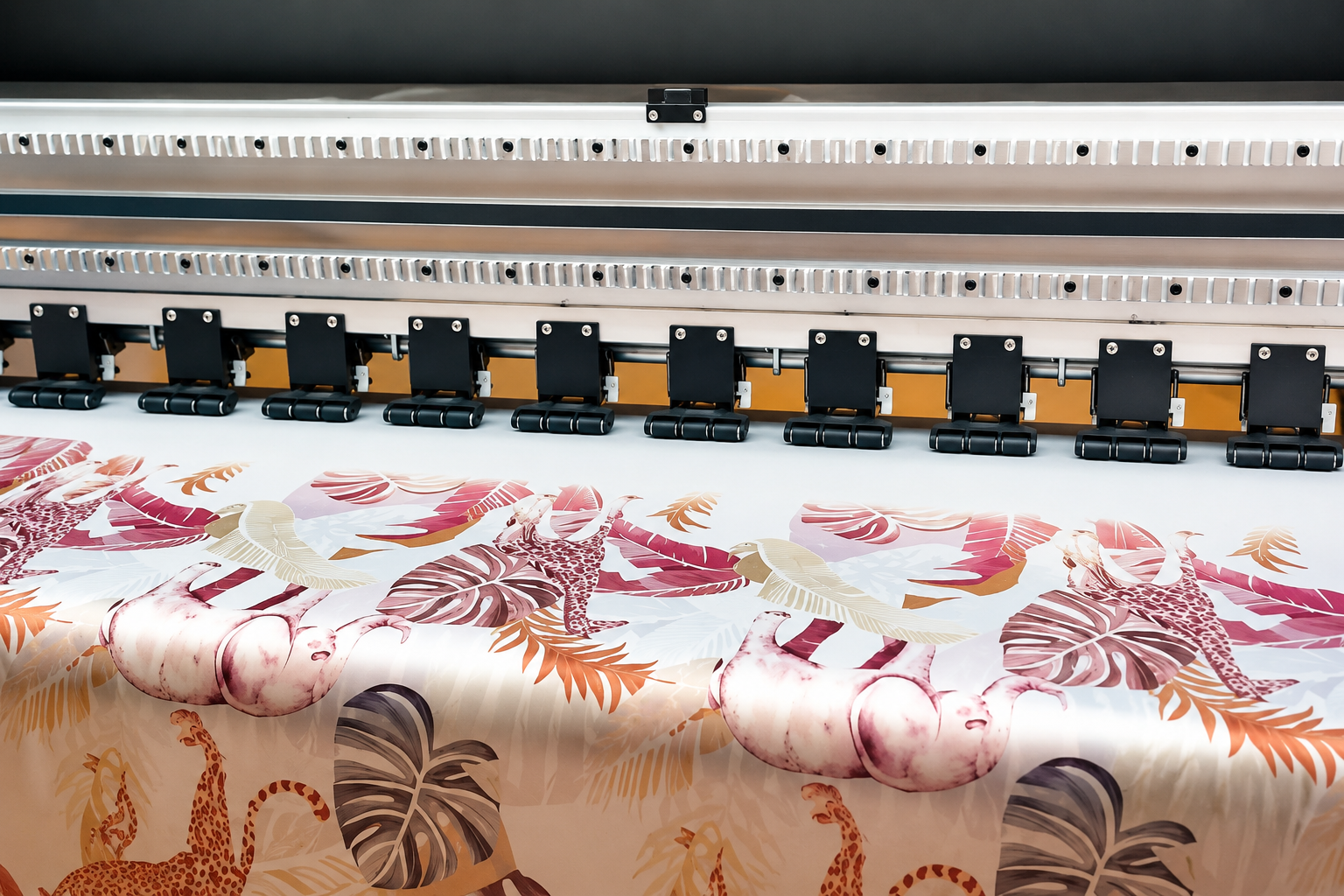
Because RPET is a polyester-based fabric, it’s fully compatible with dye sublimation printing. The dye bonds directly with the polymer fibers, producing vibrant, long-lasting prints that won’t crack, peel, or fade, a critical requirement for branded uniforms and promotional products.
Home Textiles
From blankets and throws to decorative pillows and beach towels, RPET is increasingly used in home textile manufacturing. The fabric offers softness, durability, and easy care.
Promotional Products and Blanks
Pre-cut RPET blanks are perfect canvases for digital printing. They allow brands to create fully customized, sustainable merchandise at scale.
What to Ask Your Fabric Supplier
Not all recycled polyester is equal. When evaluating suppliers, ask these questions:
- What percentage of the fabric is made from post-consumer recycled material? (Higher is better, look for 100% RPET or blends clearly labeled.)
- What certifications does the fabric carry? (GRS, OEKO-TEX, bluesign)
- Can you provide documentation for the chain of custody?
- What is the minimum order quantity (MOQ)?
- Is the fabric tested for sublimation printing compatibility?
A reliable supplier will answer these questions confidently and provide documentation upfront.
Greentex: Your Sustainable Fabric Partner
At Greentex, we specialize in high-performance, eco-friendly fabrics designed for brands that take sustainability seriously, without compromising on quality or turnaround time. Our recycled polyester line includes fabrics optimized for sportswear, digital printing, and home textiles, all sourced to meet international environmental and ethical standards. Whether you need yardage for a production run or blank products ready for customization, we have options built for your business.